
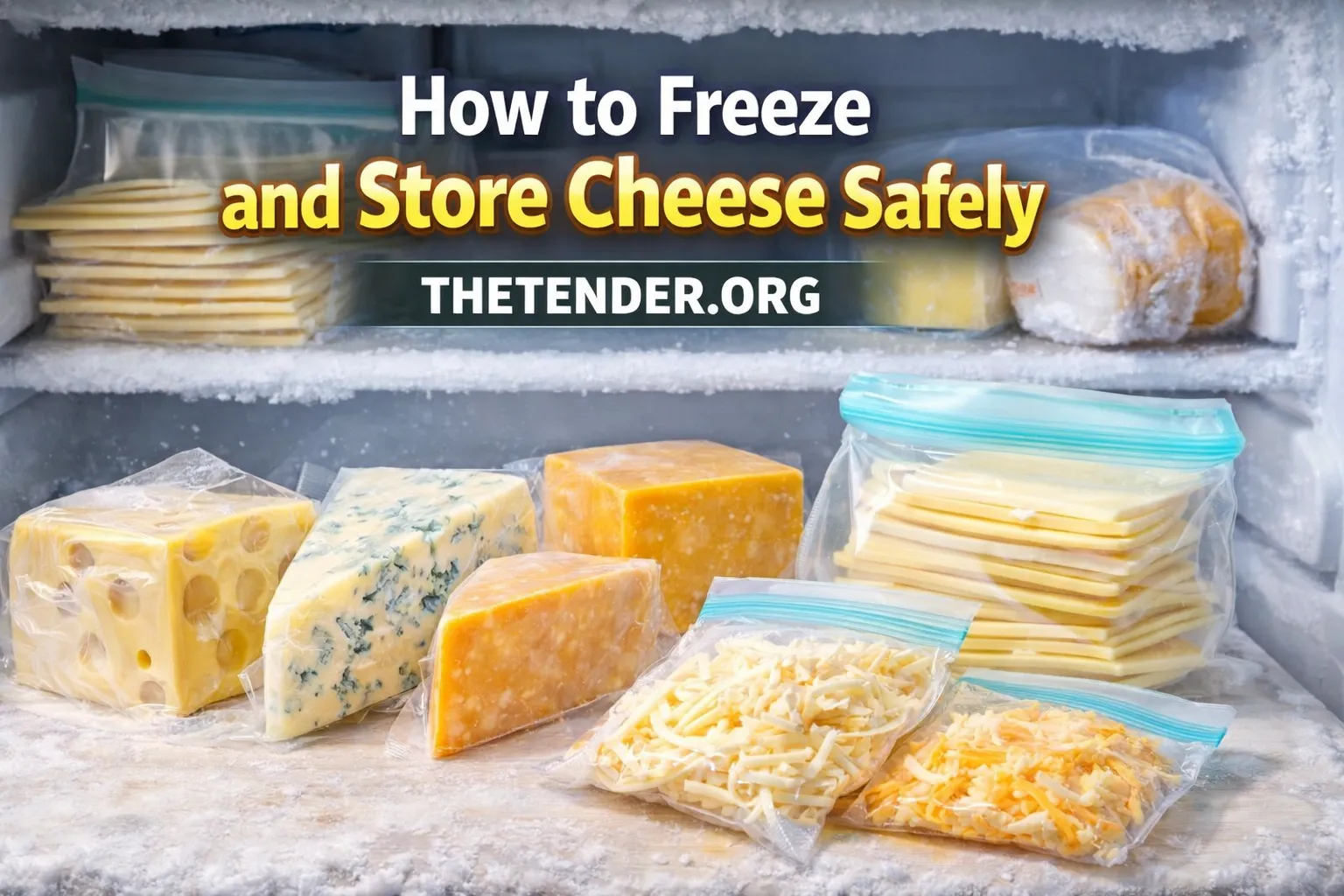
How to Freeze and Store Cheese Safely Without Ruining Taste or Texture
Cheese is a staple food in many homes. It adds flavor, nutrition, and comfort to everyday meals. Still, many people struggle with storing cheese properly, leading to waste, texture changes, or spoiled food. That is why learning How to Freeze and Store Cheese the right way is so important.
Cheese thrown away simply because it was stored incorrectly. Some people believe all cheese freezes well, while others think cheese should never be frozen. The truth sits in the middle. With the right method, many cheeses can be frozen and stored safely without losing much quality.
This guide gives you clear, practical answers. You will learn which cheeses freeze well, how to wrap them, how long they last, and how to thaw them safely. Everything is written in simple, clear language so you can store cheese with confidence.
Understanding Cheese Types Before Freezing
Before freezing cheese, it helps to understand how different cheeses behave. Texture, moisture, and fat content all play a role. Many home cooks search for How to Freeze and Store Cheese without affecting flavor.
Why Cheese Texture Changes When Frozen?
Cheese contains water and fat. When frozen, water forms ice crystals that can break down the cheese structure. This is why some cheeses become crumbly or grainy after thawing.
Harder cheeses contain less moisture, so they freeze better. Softer cheeses have more water, which leads to bigger texture changes. Learning How to Freeze and Store Cheese properly helps reduce food waste.
Moisture Content and Cheese Stability
Low-moisture cheeses are more stable during freezing. High-moisture cheeses may separate or become watery after thawing. Understanding this difference helps you decide whether freezing is a good option for your cheese.
Which Cheeses Freeze Well and Which Do Not?
Not all cheeses respond the same way to freezing. Knowing this saves time and money. This guide explains how to freeze and store cheese for long-term use.
Cheeses That Freeze Well
Hard and semi-hard cheeses freeze best. These include cheddar, mozzarella, Swiss, Monterey Jack, Colby, and provolone. These cheeses may become slightly crumbly but remain safe and usable.
Frozen hard cheeses work best for cooking, melting, or baking rather than eating fresh. If you buy cheese in bulk, knowing How to Freeze and Store Cheese is essential.
Cheeses That Do Not Freeze Well
Soft cheeses like cream cheese, ricotta, cottage cheese, and brie do not freeze well. Their high moisture content causes separation and grainy texture. While they may still be safe to eat, the texture change often makes them unpleasant.
How to Freeze and Store Cheese Step by Step?
Freezing cheese correctly protects flavor, texture, and safety.
Preparing Cheese Before Freezing
Cut large blocks of cheese into smaller portions. Smaller pieces freeze faster and thaw more evenly. This also prevents repeated thawing and refreezing. Remove original packaging if it is not airtight. Factory wraps often allow air inside.
Wrapping Cheese the Right Way
Wrap cheese tightly in plastic wrap, wax paper, or parchment paper. After wrapping, place it in a freezer-safe bag or container. Removing as much air as possible is key. Air exposure leads to freezer burn and flavor loss.
Best Containers and Materials for Freezing Cheese
Choosing the right storage materials makes a big difference. Food storage tips often focus on How to Freeze and Store Cheese safely.
Freezer-Safe Bags and Containers
Freezer bags work well for shredded or sliced cheese. Press out excess air before sealing. Rigid containers are helpful for soft blocks that may get crushed.
Always use freezer-rated materials to prevent moisture transfer.
Vacuum Sealing Cheese
Vacuum sealing is one of the best ways to freeze cheese. It removes air completely, reducing freezer burn. If you freeze cheese often, vacuum sealing can greatly extend quality. Beginners frequently ask how to freeze and store cheese at home.
How Long Does Cheese Last in the Freezer?
Freezing extends shelf life, but quality still has limits.
General Freezer Storage Timelines
Most cheeses keep best quality for 2 to 6 months in the freezer. Hard cheeses often last closer to 6 months, while semi-soft cheeses last about 2 to 3 months. Cheese may remain safe beyond this time but can lose flavor and texture.
Labeling and Date Tracking
Always label cheese with the freeze date. This helps you use older cheese first. Good labeling prevents forgotten packages and waste.
How to Freeze Shredded Cheese Properly?
Shredded cheese is convenient but needs special handling.
Preventing Clumping in Shredded Cheese
Before freezing, toss shredded cheese with a small amount of cornstarch or flour. This helps prevent clumping. Spread shredded cheese in a thin layer inside the bag before freezing. Understanding How to Freeze and Store Cheese keeps it fresh longer.
Storage Tips for Shredded Cheese
Store shredded cheese in freezer bags with air removed. Use within 2 to 3 months for best quality. Frozen shredded cheese works best for cooking, not fresh toppings.
How to Freeze Sliced Cheese Without Damage?
Sliced cheese can stick together if frozen incorrectly. Many kitchen blogs share advice on How to Freeze and Store Cheese correctly.
Separating Slices Before Freezing
Place parchment paper between slices before freezing. This allows you to remove slices individually.
Stack slices neatly and wrap tightly.
Best Uses After Thawing
Frozen sliced cheese is best for sandwiches that will be heated or grilled. Texture may be slightly firmer after thawing.
How to Store Cheese in the Fridge Correctly?
Freezing is not always needed. Proper fridge storage can extend cheese life. Proper techniques show How to Freeze and Store Cheese without texture loss.
Ideal Fridge Temperature for Cheese
Store cheese at 35°F to 40°F. This slows bacterial growth without freezing the cheese. Avoid storing cheese in the fridge door, where temperatures fluctuate.
Wrapping Cheese for Refrigerator Storage
Wrap cheese in wax paper or parchment, then place it in a loose bag. This allows cheese to breathe while preventing dryness. Plastic wrap alone can trap moisture and encourage mold.
How Long Does Cheese Last in the Fridge?
Cheese shelf life varies by type. Home chefs rely on guides that explain How to Freeze and Store Cheese clearly.
Hard Cheese Fridge Shelf Life
Hard cheeses like cheddar and Parmesan last 3 to 6 weeks in the fridge once opened. Proper wrapping helps extend freshness. Cut away small mold spots from hard cheese if the rest looks fine.
Soft Cheese Fridge Shelf Life
Soft cheeses last 1 to 2 weeks after opening. Because they spoil faster, freezing is usually not recommended. Always follow package guidance when available.
How to Thaw Frozen Cheese Safely?
Thawing cheese properly helps protect texture.
Refrigerator Thawing Method
Always thaw frozen cheese in the fridge. This slow method reduces moisture loss and texture damage. Thawing time depends on size but usually takes 12 to 24 hours.
Avoid Room Temperature Thawing
Do not thaw cheese on the counter. Rapid temperature changes cause condensation and texture breakdown. Slow thawing preserves quality and safety.
Texture and Flavor Changes After Freezing Cheese
Understanding changes helps set realistic expectations.
Why Cheese Becomes Crumbly?
Ice crystals break down protein structure. This causes crumbly or dry texture after thawing. This change is normal and does not mean the cheese is unsafe.
How to Use Frozen Cheese Best?
Use thawed cheese in cooked dishes like casseroles, sauces, and baked meals. Melting hides texture changes. Avoid using frozen cheese for cheese boards or fresh eating.
Signs Cheese Has Gone Bad
Knowing spoilage signs helps prevent illness.
Visual Signs of Spoilage
Mold growth on soft cheese means it should be discarded. On hard cheese, cut away at least one inch around the mold. Slimy or wet surfaces are also warning signs.
Smell and Taste Warning Signs
Sour, ammonia-like, or rotten smells indicate spoilage. Never taste cheese to check safety. When in doubt, throw it out.
Food Safety Rules for Cheese Storage
Basic safety rules protect your health. This article covers How to Freeze and Store Cheese step by step.
Avoid Cross-Contamination
Store cheese away from raw meats. Use clean utensils when handling cheese. Contamination shortens shelf life and increases risk.
Do Not Refreeze Thawed Cheese
Refreezing cheese reduces quality and increases moisture loss. Freeze only once for best results. If refreezing is necessary, use the cheese only for cooking.
Common Mistakes When Freezing and Storing Cheese
How to Freeze and Store Cheesefor Cooking Use?
Cheese frozen for cooking has fewer limitations. Many people ask, can you freeze cheese to extend its shelf life.
Best Cheese Types for Cooking After Freezing
Cheddar, mozzarella, and blends work well in cooked dishes. Texture changes are less noticeable when melted. Plan to use frozen cheese in hot recipes.
Meal Planning With Frozen Cheese
Freezing cheese helps with meal prep. Keep labeled portions ready for quick cooking. This approach reduces last-minute grocery trips.
Special Storage Tips for Different Cheese Styles
Each cheese style benefits from specific handling. Home cooks often wonder, can i freeze cheese without ruining texture. Some shoppers ask, can you freeze fresh mozzarella safely at home.
Blue cheese can be frozen, but flavor may weaken. Wrap tightly and use within 2 months. Best used in sauces after freezing.
Grated Parmesan freezes well. Store in small portions for easy use. Frozen grated Parmesan works great in cooked dishes.
Health Risks of Improper Cheese Storage
Listeria can grow even at fridge temperatures. This is especially risky for pregnant women and elderly people. Proper storage reduces this risk. A common question is, can you freeze mozzarella cheese for later use.
When to Seek Medical Advice?
If you experience nausea, fever, or stomach pain after eating cheese, seek medical help. Food safety should never be ignored.
Frequently Asked Questions – FAQs
Final Thoughts
Learning How to Freeze and Store Cheese properly helps reduce waste and save money. Cheese is a valuable food, and with the right techniques, it can last much longer without safety risks. Not every cheese freezes the same way, but many work well when handled correctly. Freezing cheese can help reduce food waste when done properly.
By following the steps in this guide, you can store cheese with confidence. Proper wrapping, correct temperatures, and smart usage make all the difference. When quality matters, slow thawing and careful handling will give you the best results every time. Dive into helpful articles and expert insights on THETRENDER.